One of the most exciting things about becoming a camera operator is the variety of career opportunities available. Whether you want to shoot narrative films, work on live TV, or specialise in fast-paced sports coverage, each sector has its own unique demands.
Working in film production means being part of a large-scale creative process, collaborating closely with directors of photography (DoPs) to achieve a cinematic look. Film camera operators often work with high-end digital or film cameras like the ARRI Alexa, RED, or Panavision and focus on achieving artistic shot composition.
🔹 Example: Roger Deakins (1917, Blade Runner 2049) began as a documentary cameraman before transitioning into film, developing his signature style of immersive cinematography.
📌 Key Skills Needed:
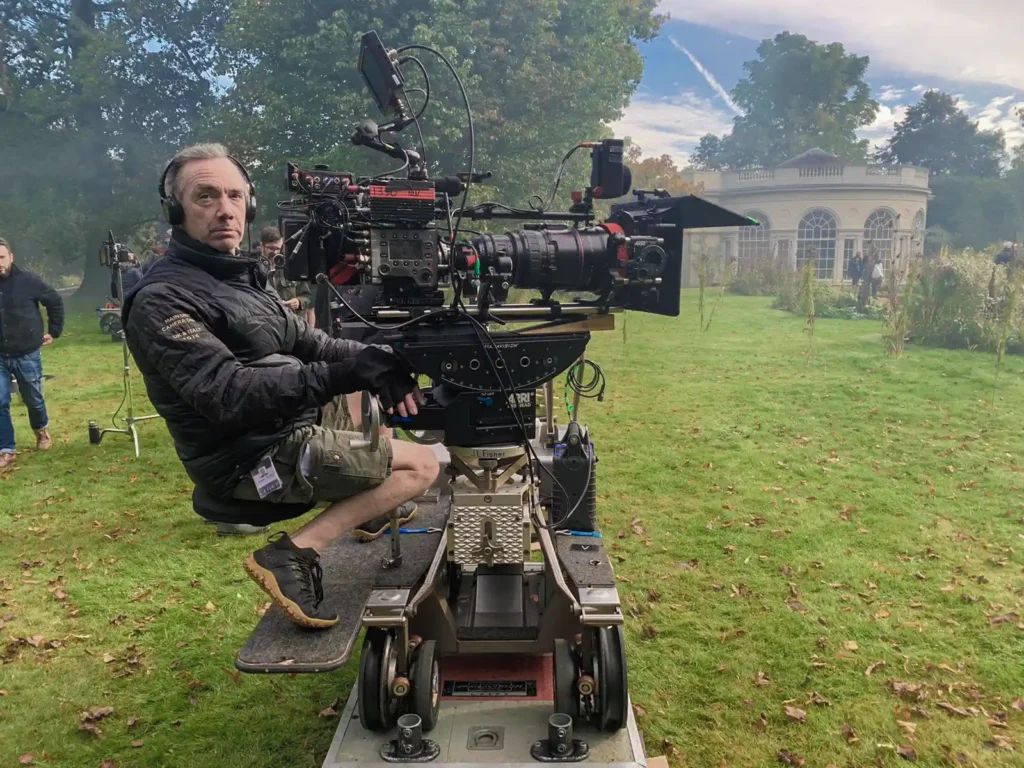
HETV has become one of the most lucrative sectors for camera operators, covering prestige productions like Netflix, HBO, and BBC dramas. These productions often mirror the scale and quality of feature films but work to tighter schedules.
🎥 Shows like The Crown, House of the Dragon, and The Last of Us demand expert camera operators who can work with advanced rigs, Steadicams, and cranes to capture compelling storytelling visuals.
📌 Key Skills Needed:
Broadcast camera operators cover live news, reality TV, music events, and sports broadcasts, requiring a completely different skill set from film and drama. Instead of pre-planned shots, you must think on your feet and react in real time.
⚡ Example: Operating cameras for Premier League football or BBC’s Glastonbury coverage means adapting to live-action movements and working with remote-controlled or track cameras.
📌 Key Skills Needed:
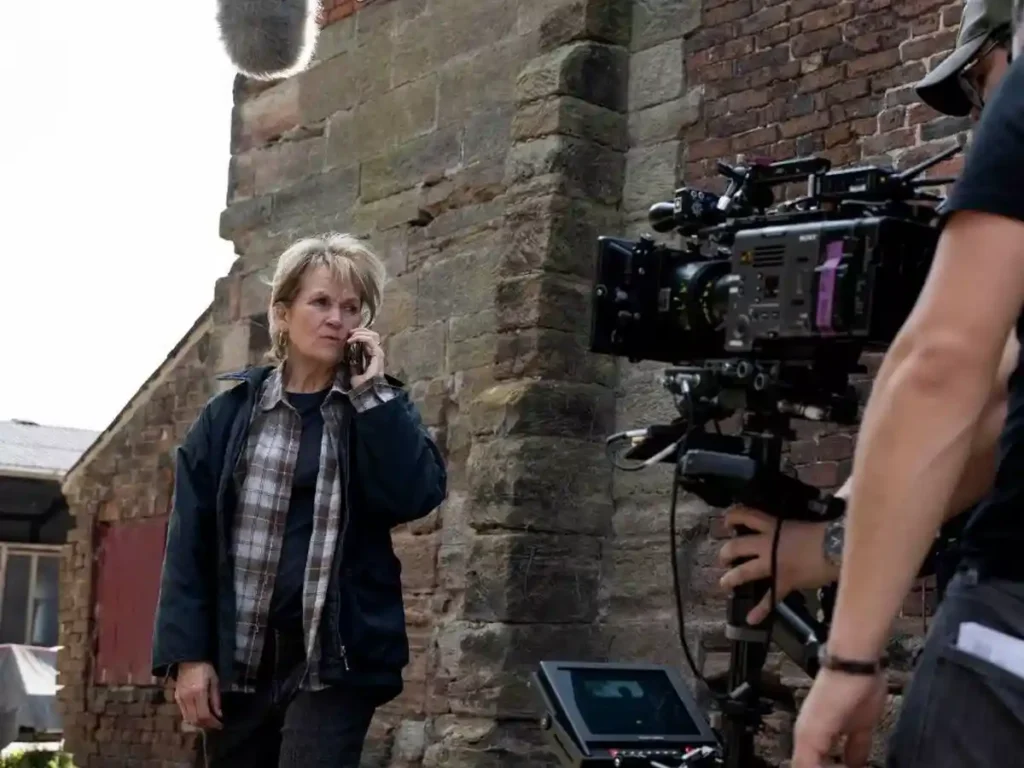
Soaps and long-running dramas like EastEnders, Emmerdale, and Casualty require camera operators to work on multi-camera setups, filming several episodes a week with tight schedules. Unlike film, where shots are meticulously planned, continuous drama requires efficiency and the ability to follow live script changes.
📌 Key Skills Needed:
The best way to start your career is with professional training. While some operators are self-taught, structured courses provide access to industry-standard equipment, expert mentoring, and hands-on practice.
📢 Join our Introduction to Camera Operating course to learn everything from camera movement to professional setups.
Experience is everything. Many successful camera operators start as camera trainees or assistants (ACs) before working their way up.
🔹 Example: Barry Ackroyd (The Hurt Locker, Captain Phillips) started his career in documentary filmmaking before moving into Hollywood cinematography.
📌 Ways to gain experience:
The film industry is built on who you know, not just what you know. Attend networking events, film festivals, and training workshops to meet potential employers.
📌 Networking tips:
✅ Join Facebook groups & forums for film crew jobs
✅ Attend industry events like BSC Expo & Raindance Film Festival
✅ Connect with DoPs & camera teams on LinkedIn and Facebook Groups
Every sector—whether film, TV, or live broadcast—uses different rigs. To increase your job opportunities, you should be comfortable using:
✅ Handheld cameras
✅ Steadicams & gimbals (Ronin, Movi)
✅ Studio & broadcast cameras
✅ Drone & crane-mounted cameras
💡 Our Introduction to Camera Operating course teaches you how to handle professional camera gear, ensuring you’re job-ready.
Once you’ve built up experience, create a showreel showcasing your best work. Many operators land jobs through recommendations, so always leave a good impression on set.
📌 Where to find jobs:
🎥 Production job sites (Mandy, Film & TV Pro, The Talent Manager)
📡 Broadcasting networks (BBC, ITV, Sky)
🎬 Indie film & commercial production houses
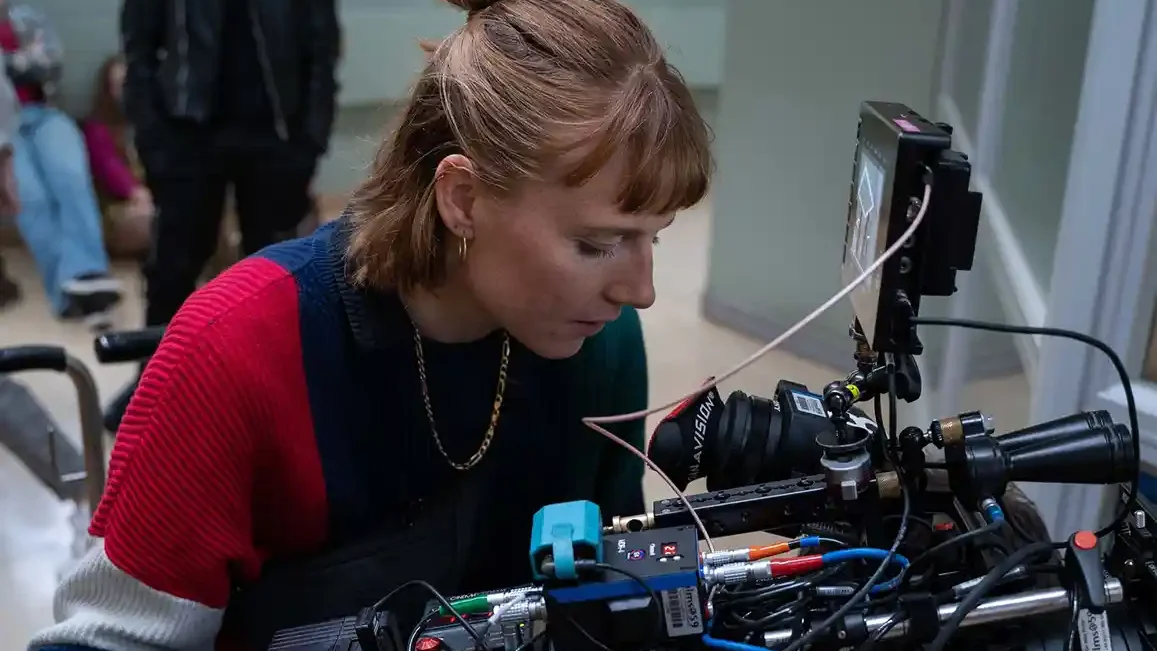
Breaking into the camera department can be tough, but with the right training, experience, and connections, you can turn your passion into a career.
Our Introduction to Camera Operating course is designed to give you:
✅ Hands-on experience with professional cameras
✅ Expert training from industry professionals
✅ A solid foundation in camera movement & shot composition
✅ A direct route into the industry
If you’re serious about working in film, TV, or broadcast, sign up today and take the first step towards becoming a professional camera operator!
Join The Crew. We’ll only send you exciting emails.